
- Sumō, the father of Japanese grappling
- Tenshin Shōden Katori Shintō-ryū
- Nippon Budokan, mecca of JP martial arts most
- Minoru Mochizuki, sensei
- Jigorō Kanō, sensei
- Sakura blossom
- Shin Gi Tai
- Kamakura
-
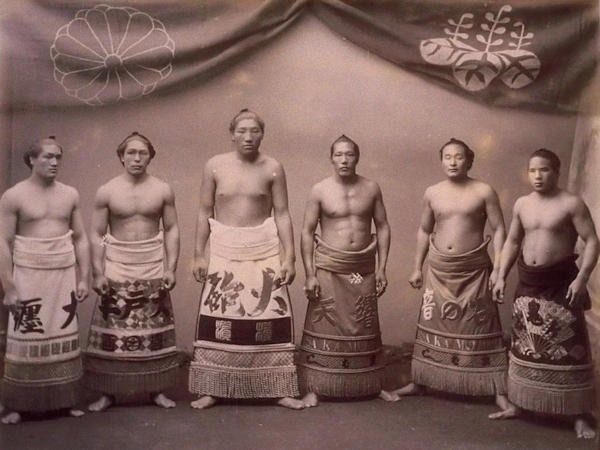
Sumō, the father of Japanese grappling
Sumō wrestlers (sumōtori)
Today's Sumō is a modern Budō, however, its ancestor, sometimes called "ancient sumō" or "primitive sumō" is very old. The first mention of sumō can be found in the Kojiki manuscript dating back to 712. Furthermore, sumō is also considered the father of Japanese grappling methods, such as Jūjutsu. -
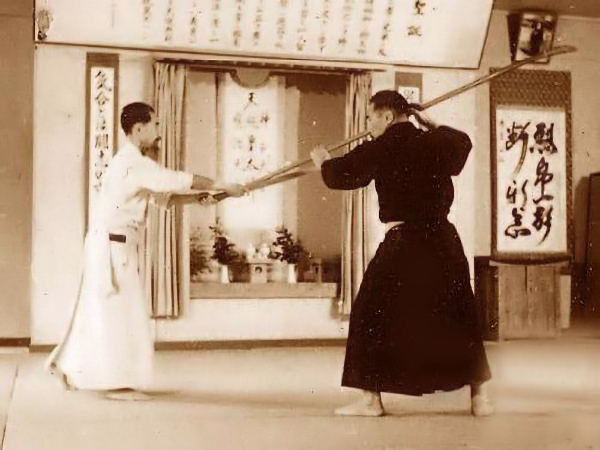
Tenshin Shōden Katori Shintō-ryū
Yoshio Sugino sensei and Minoru Mochizuki sensei
Tenshin Shōden Katori Shintō-ryū (or simply Katori Shintō-ryū) is one of the oldest koryu bujutsu schools. It was founded by Iizasa Chōisai Ienao, in the year 1447. Tenshin Shōden Katori Shintō-ryū is also known as a comprehensive martial art with a curriculum consisting of the following disciplines: iaijutsu, kenjutsu, naginatajutsu, sojutsu, bojutsu, shurikenjutsu, jujutsu and other special areas such as ninjutsu, etc. -
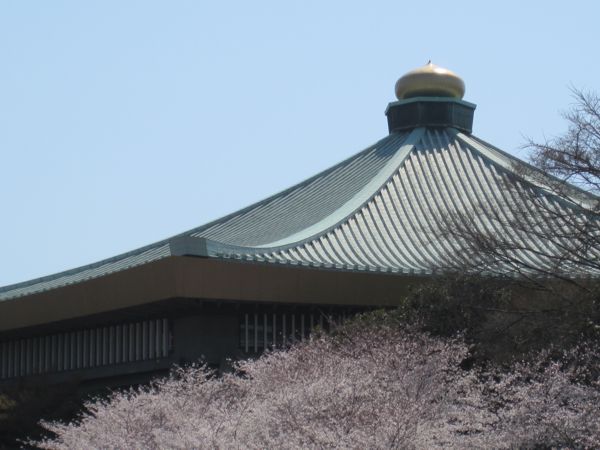
Nippon Budokan, mecca of JP martial arts most
Nippon Budōkan
The Nippon Budokan (Japanese: 日本武道館, Hepburn: Nippon Budōkan, lit. 'Japan Martial Arts Hall'), often shortened to simply Budokan, is an indoor arena in Chiyoda, Tokyo, Japan. It was originally built for the inaugural Olympic judo competition in the 1964 Summer Olympics. Photo: BR; Source: wikipedia.
Today, Nippon Budokan is considered the mecca of Japanese martial arts. -
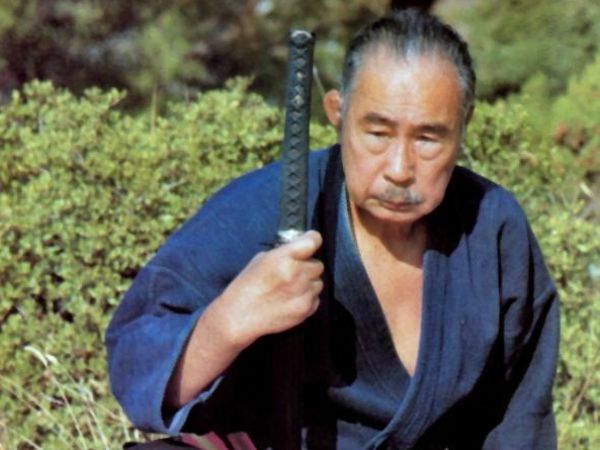
Minoru Mochizuki, sensei
Minoru Mochizuki, sensei
Minoru Mochizuki Sensei (April 7, 1907 – May 30, 2003) was a renowned Japanese martial artist and the founder of the Yoseikan Dōjō. Mochizuki began his martial arts training at a very young age and developed an exceptionally broad background in Japanese budō. He studied under some of the most prominent masters of his generation, including Jigorō Kanō, founder of Kodokan Jūdō; Kyūzō Mifune, one of the greatest masters of Jūdō; and Morihei Ueshiba, the founder of Aikidō. He also devoted extensive study to classical martial traditions, particularly Tenshin Shōden Katori Shintō-ryū, as well as Jūjutsu, Kenjutsu, Iaidō, Jōjutsu, Kendō, Karate, and Kobudō.Read More -
Jigorō Kanō, sensei
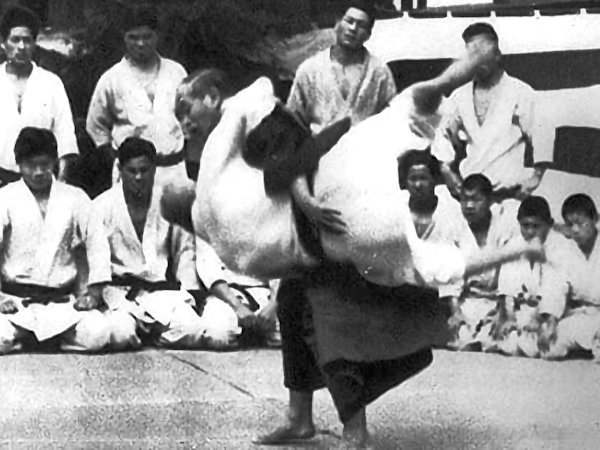
Jigorō Kanō, sensei
Kanō Jigorō (嘉納 治五郎, 10 December 1860 – 4 May 1938) was a Japanese judōka, educator, politician, and the founder of judō. Judō was one of the first Japanese martial arts to gain widespread international recognition, and the first to become an official Olympic sport. Source: wikipedia.
Kanō sensei was also the bridge for the introduction of other martial arts into the Western world. -
Sakura blossom
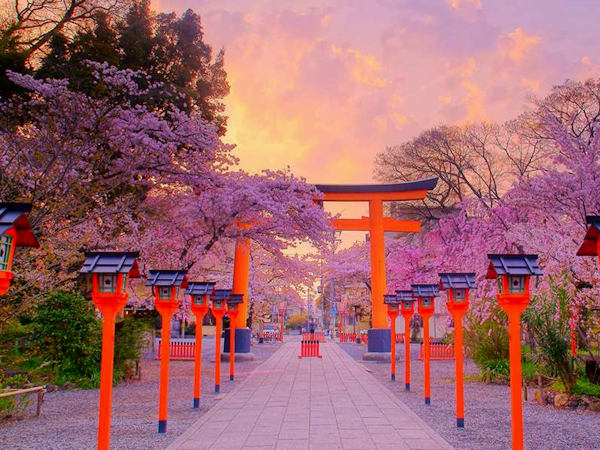
Sakura blossom, Kyoto
Every spring, the Japanese sakura blossoms (cherry blossom) beautify Japan. The word sakura can mean either the tree or its flowers. The sakura blossom is considered the national flower of Japan. -
Shin Gi Tai
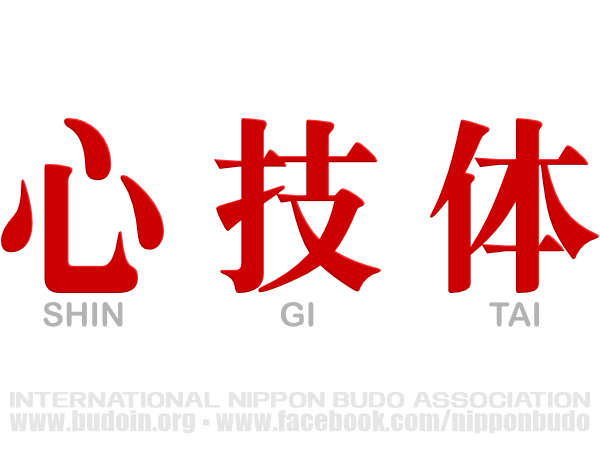
Shin Gi Tai
The Japanese principle of unification of Shin [mind], Gi [skill], and Tai [body] is a very important concept in modern Budō, the three characters should be inseparable and considered as a whole.Read More -
Kamakura
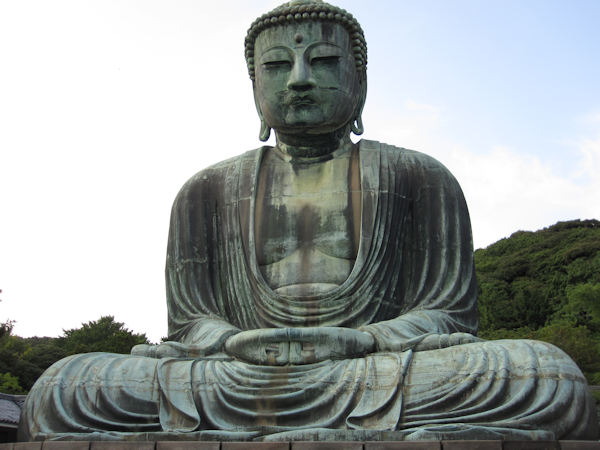
Kamakura Daibutsu (The Great Buddha of Kamakura)
Kamakura City was the capital of Japan when it was the seat of the Kamakura shogunate from 1185 to 1333, established by Minamoto no Yoritomo. It was the first military government in Japan's history. Photo: BR; Source: wikipedia.
Activities
UPCOMING EVENTS +
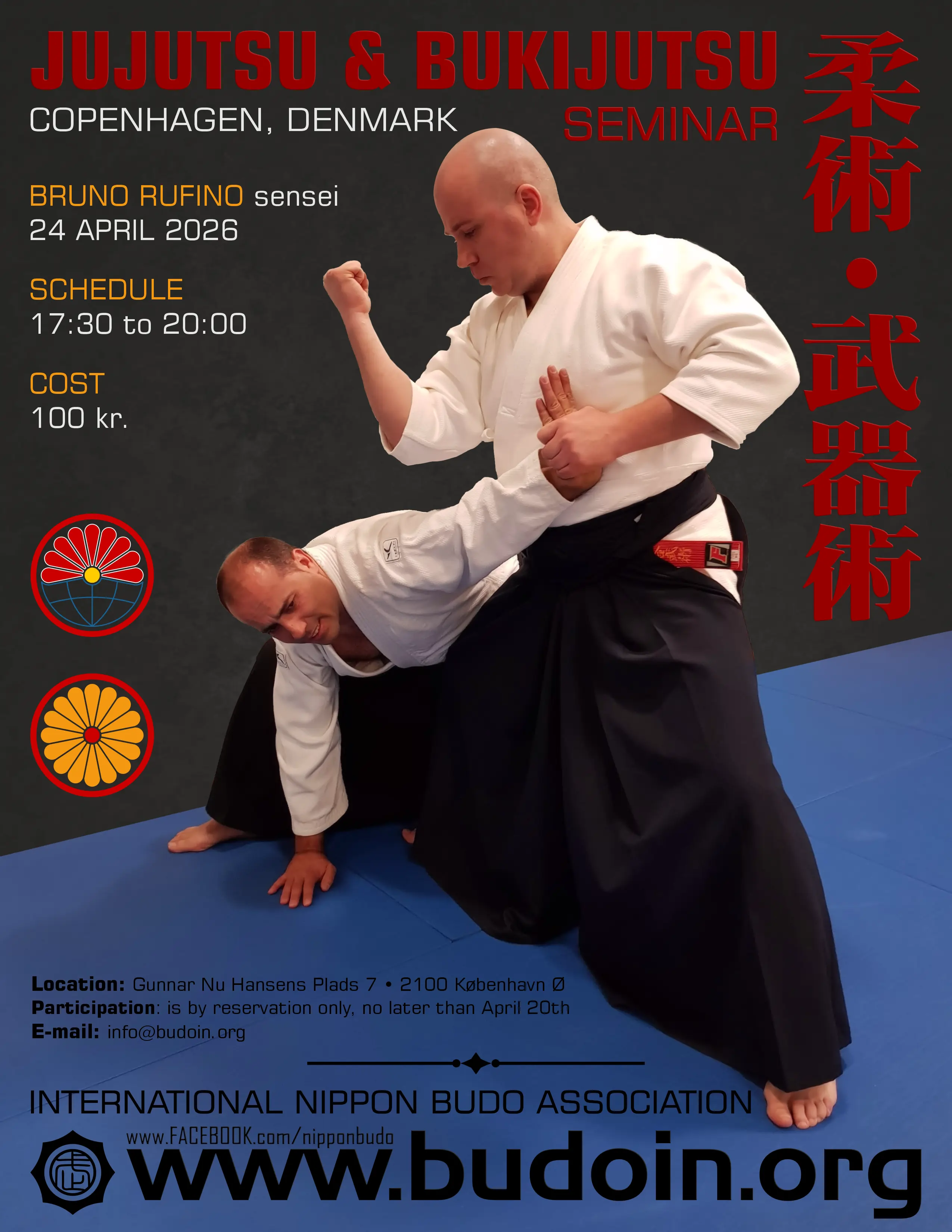
- Denmark: 24.april.2026
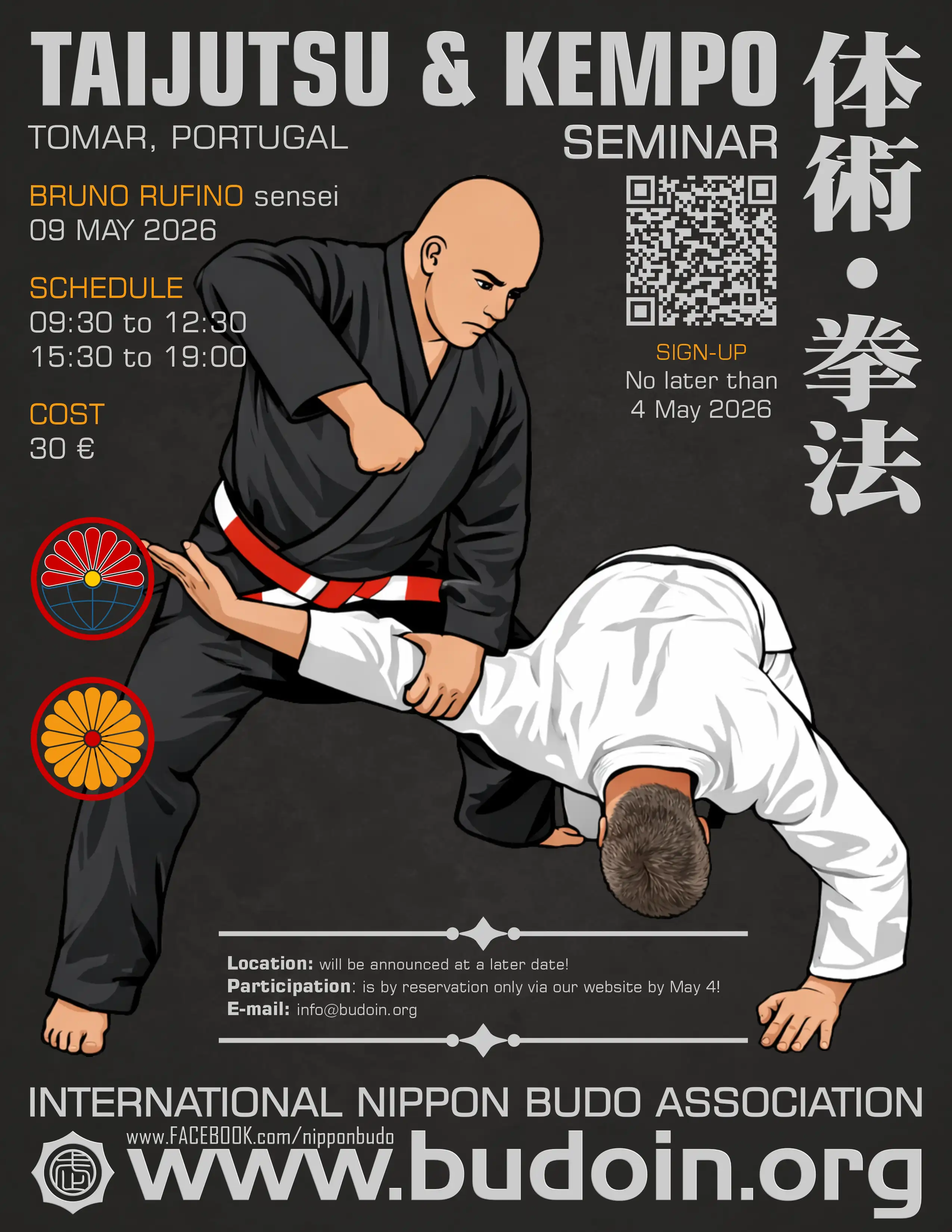
- Portugal: 09.may.2026
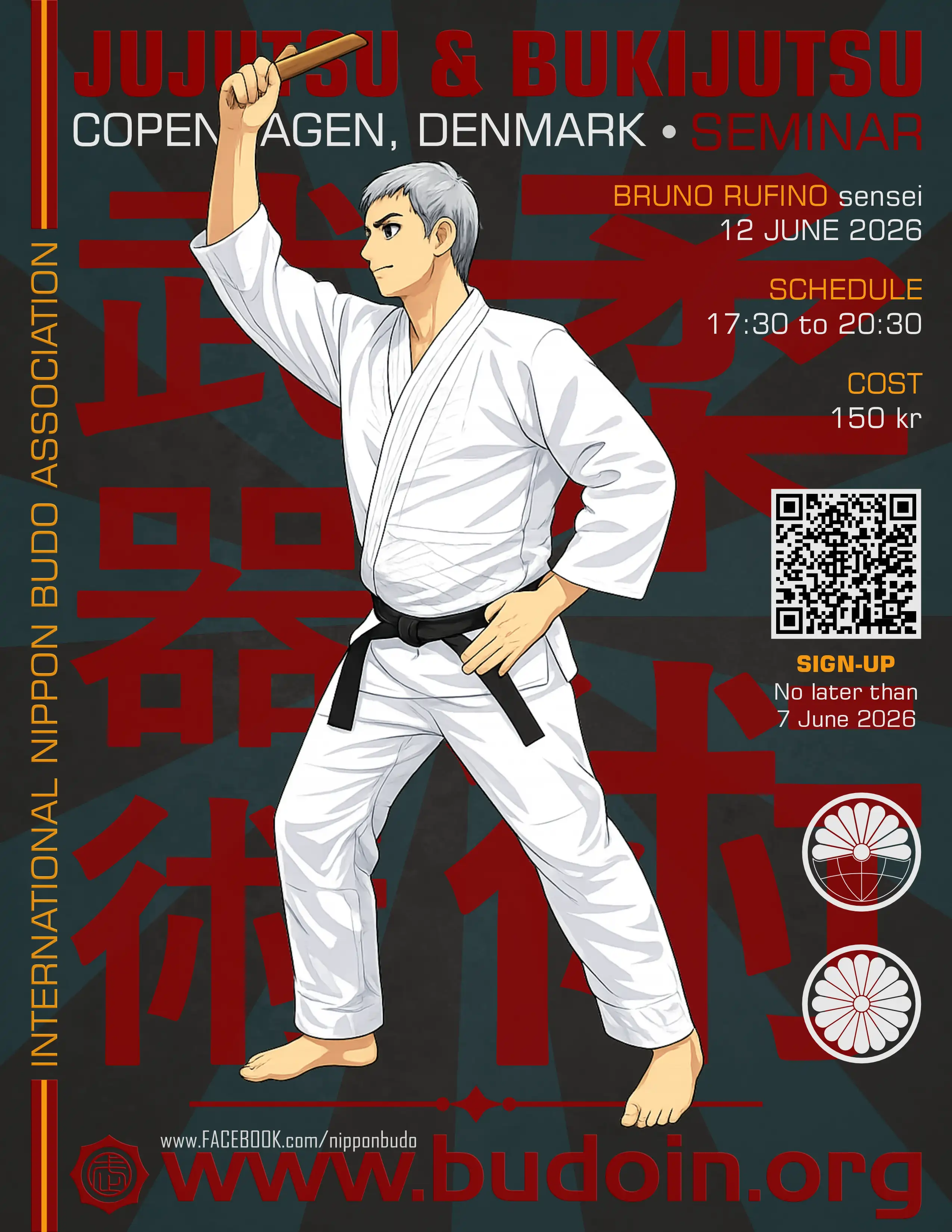
- Denmark: 12.june.2026
- Portugal: 18.july.2026
- Norway: 26.september.2026
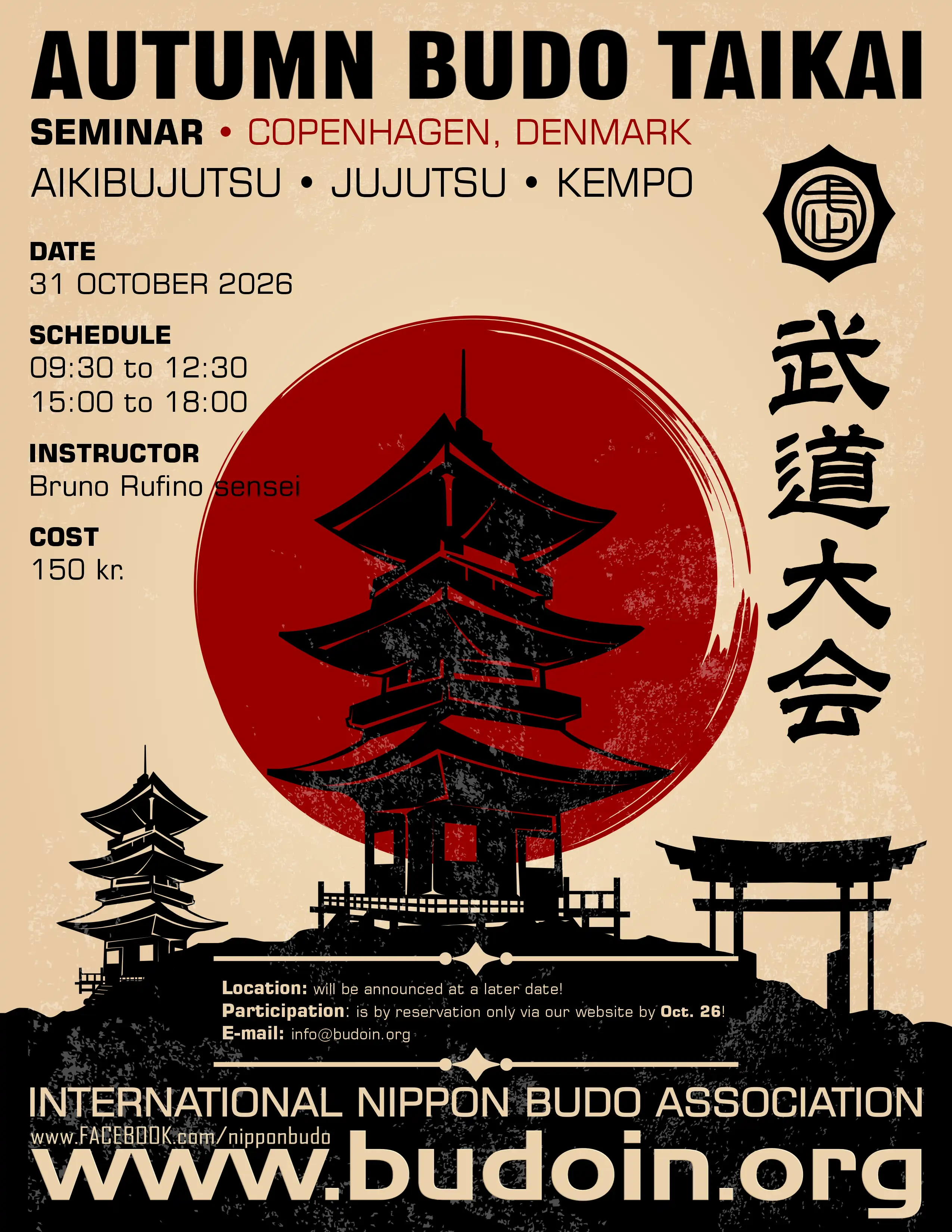
- Denmark: 31.october.2026
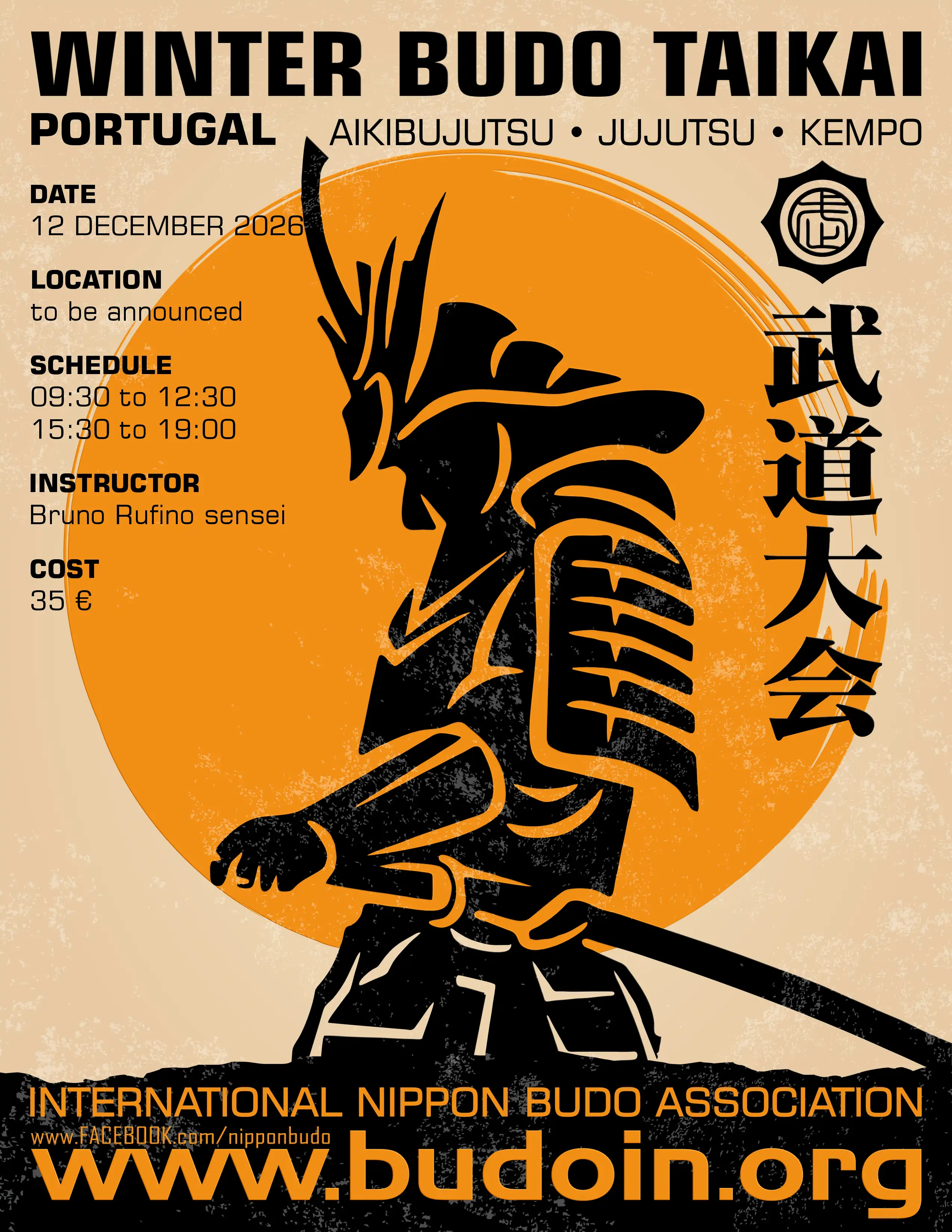
- Portugal: 12.december.2026
Click here to check the details!
CALENDAR +
BOOK AN EVENT +
The process of booking an event starts by email! Send email!
Affiliation
CRITERIA +
Learn more about membership criteria! Click here!
ONLINE MEMBERSHIP +
Online membership is for member renewal only. Click here!
NEW MEMBER +
Contact us, introduce yourself, tell us about your martial arts experience and organization. Remember to explain what you are looking for! Send email!